
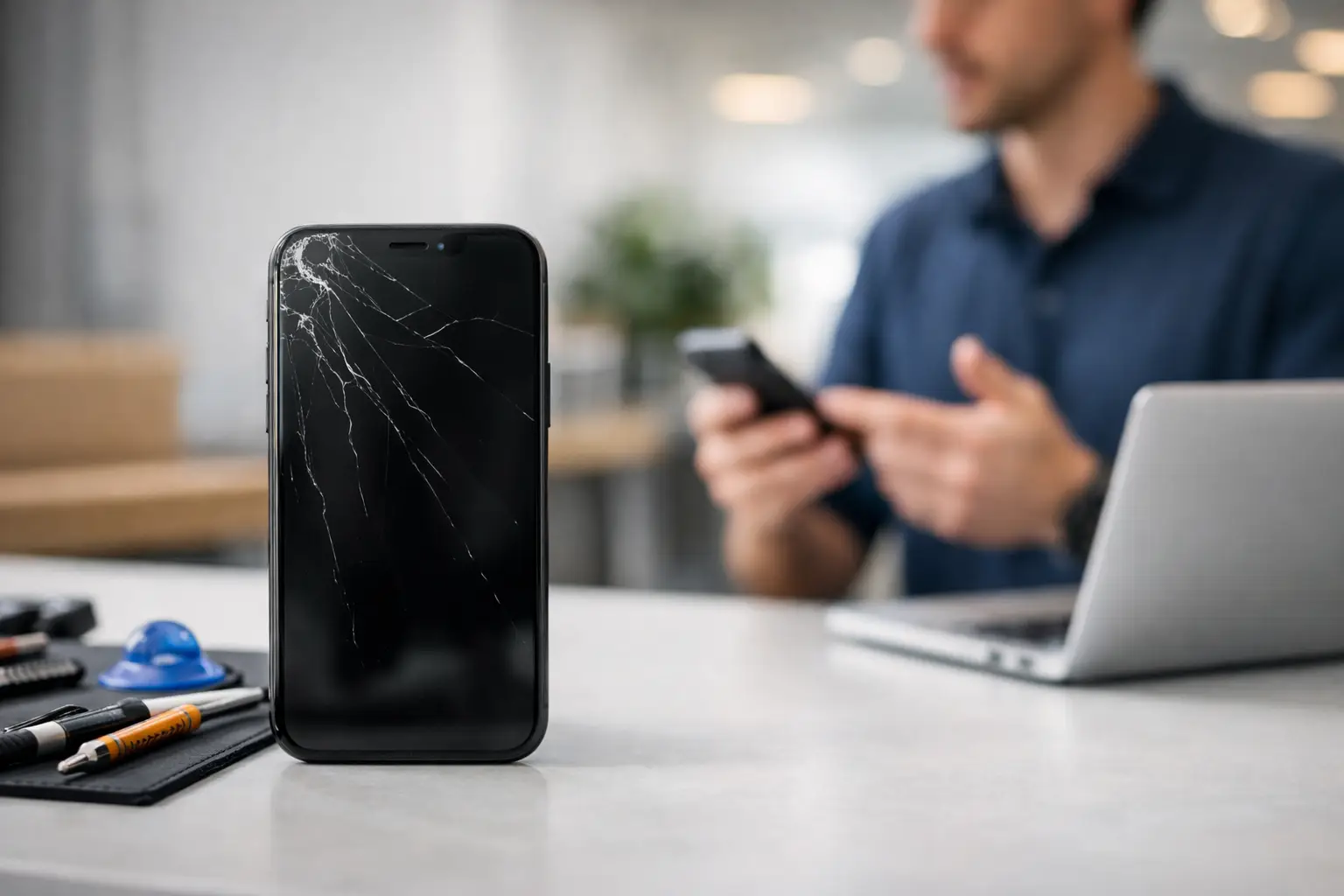
A cracked iPhone screen always seems to happen at the worst time – on the way to work, during school pick-up, or just before you need maps, banking or a boarding pass. What catches many people out is not the damage itself, but the confusion that follows. This guide to iPhone screen warranty coverage is here to make that part simpler, so you can work out what is covered, what is not, and what your next step should be.
What iPhone screen warranty coverage actually means
When people say “warranty”, they often mean any kind of protection. In practice, there are a few different types, and they do not all cover the same thing.
A manufacturer’s warranty is there to cover faults caused by the device or its components failing under normal use. If your screen develops a fault on its own, such as touch issues or display problems without any sign of impact, that may fall within warranty terms. If the screen is cracked because the phone was dropped, that usually does not.
That is the key distinction. Warranty cover is generally for faults, not accidents. A lot of frustration comes from assuming a broken screen is automatically included, when accidental damage is usually treated separately.
Guide to iPhone screen warranty coverage from Apple
Apple’s standard limited warranty typically covers manufacturing defects for a set period from purchase. That can help if the screen stops responding properly, shows unusual lines, flickers, or develops a fault that is not linked to impact, pressure damage or liquid.
If there is visible cracking, chips around the edge, or signs the handset has been dropped, standard warranty cover is unlikely to apply. Apple and authorised providers will usually inspect the device first, and physical damage often changes the outcome straight away.
It also depends on the wider condition of the phone. Sometimes a screen fault looks like a warranty case at first, but closer inspection shows frame damage, housing bends or previous impact. In those cases, the repair is more likely to be classed as chargeable.
If you have AppleCare+ or similar accidental damage protection, that is a different arrangement. It is not the same as the standard warranty. It may reduce the cost of a screen replacement, but there is usually still an excess to pay, and cover depends on the plan terms being active at the time of the claim.
What is usually not covered
For most iPhone owners, the biggest surprise is how much falls outside a standard warranty. A cracked front glass after a drop is normally not covered. The same goes for damage caused by pressure in a bag, impact from a fall, or liquid entering the display assembly.
Cosmetic wear is also generally excluded. Small scratches, scuffs and minor marks from daily use are frustrating, but they are not usually treated as warranty faults.
Another grey area is damage linked to earlier repairs. If a phone has been repaired before and a later problem appears, the next provider may look closely at the quality of that earlier work. If there are missing brackets, poor fitting, non-matching parts or signs of internal damage, that can affect whether any claim is accepted.
Does a previous repair affect your warranty?
Sometimes, yes. Sometimes, no. It depends on what was repaired, how it was repaired and what problem you are now trying to claim for.
A previous screen replacement does not automatically mean every future issue is excluded. But if the current fault is linked to that repair, or if the phone has been altered in a way that affects diagnosis, your options may narrow. That is one reason people are better off using a reputable repair specialist in the first place rather than choosing purely on the cheapest quote.
Good repair work should not just get the screen back on and the phone switched on. It should restore proper fit, function and reliability, and it should be backed by a clear repair warranty of its own.
Why repair warranty matters as much as manufacturer warranty
If your iPhone screen is already cracked, the standard manufacturer warranty may no longer be the protection that matters most. At that point, the quality of the replacement and the terms behind it become far more relevant.
A proper repair warranty should cover the replacement part against failure, provided the phone has not been damaged again afterwards. That means if the new screen develops a fault due to the part itself or the workmanship, you have somewhere to go back to and someone accountable to deal with it.
This is where local service can make a real difference. You are not posting your phone away, chasing a call centre, or explaining the same issue to three different people. You can speak directly to the person doing the work, ask what the warranty covers, and get a straight answer.
For many customers in Portsmouth and Southsea, that clarity matters just as much as the speed of the repair.
What to ask before agreeing to any screen repair
Not all screen warranties are equal, and the wording matters. A “warranty included” promise sounds reassuring, but it is worth asking exactly what that means.
Ask whether the warranty covers parts only or parts and labour. Ask how long it lasts. Ask whether accidental damage after the repair is excluded, because it usually is. Ask whether Face ID, True Tone, touch sensitivity and screen brightness are checked as part of the job.
It is also sensible to ask what type of part is being fitted. Some repairs use genuine parts, some use high-quality compatible parts, and some use lower-grade options that bring the price down but may affect display quality or long-term reliability. There is no single answer that suits everyone, but there should be honest explanation rather than vague wording.
Signs your screen problem may be a fault rather than accidental damage
Not every bad screen is the result of a drop. If your iPhone has no visible crack and the display starts flickering, shows dead areas on touch, ghost touches on its own, or goes black while the phone still rings and vibrates, that may point to a hardware fault.
Even then, diagnosis matters. Similar symptoms can come from different causes. A failing display, a damaged connector, board-level issues or impact that is not obvious from the outside can all look similar at first glance.
That is why a proper inspection is worth more than guesswork. The cheapest route is not always the quickest route if it leads to the wrong repair.
Local repair versus manufacturer route
There is no universal right choice here. It depends on the age of the phone, whether cover is still active, how quickly you need it back and what matters most to you.
If the handset appears to have a genuine screen fault and is still within manufacturer cover, it makes sense to check that route first. If the screen is visibly cracked, you usually move into paid repair territory, and then the decision becomes more practical. Cost, speed, convenience and warranty on the replacement all come into play.
A local independent repair specialist is often the better fit for people who need their phone back the same day, want direct communication, and prefer dealing with one named person rather than a larger chain. That is a big part of why customers choose iHelp Gadget Repairs – quick turnaround, clear pricing and warranty-backed work without the usual runaround.
A practical guide to iPhone screen warranty coverage decisions
If your screen is damaged, start with three questions. Is it a fault or accidental damage? Is any manufacturer or plan-based cover still active? And if not, what repair warranty will protect you after the screen is replaced?
That simple sequence helps cut through a lot of confusion. If it is an accident, standard warranty usually will not help. If it is a fault, it might. If you are paying for a repair, the warranty on that repair becomes the important detail.
The best outcome is not just getting the glass changed. It is knowing where you stand if something goes wrong afterwards, and feeling confident the repair has been done properly the first time.
A screen warranty is only as useful as the person standing behind it, so choose the repairer with the same care you choose the repair itself.