
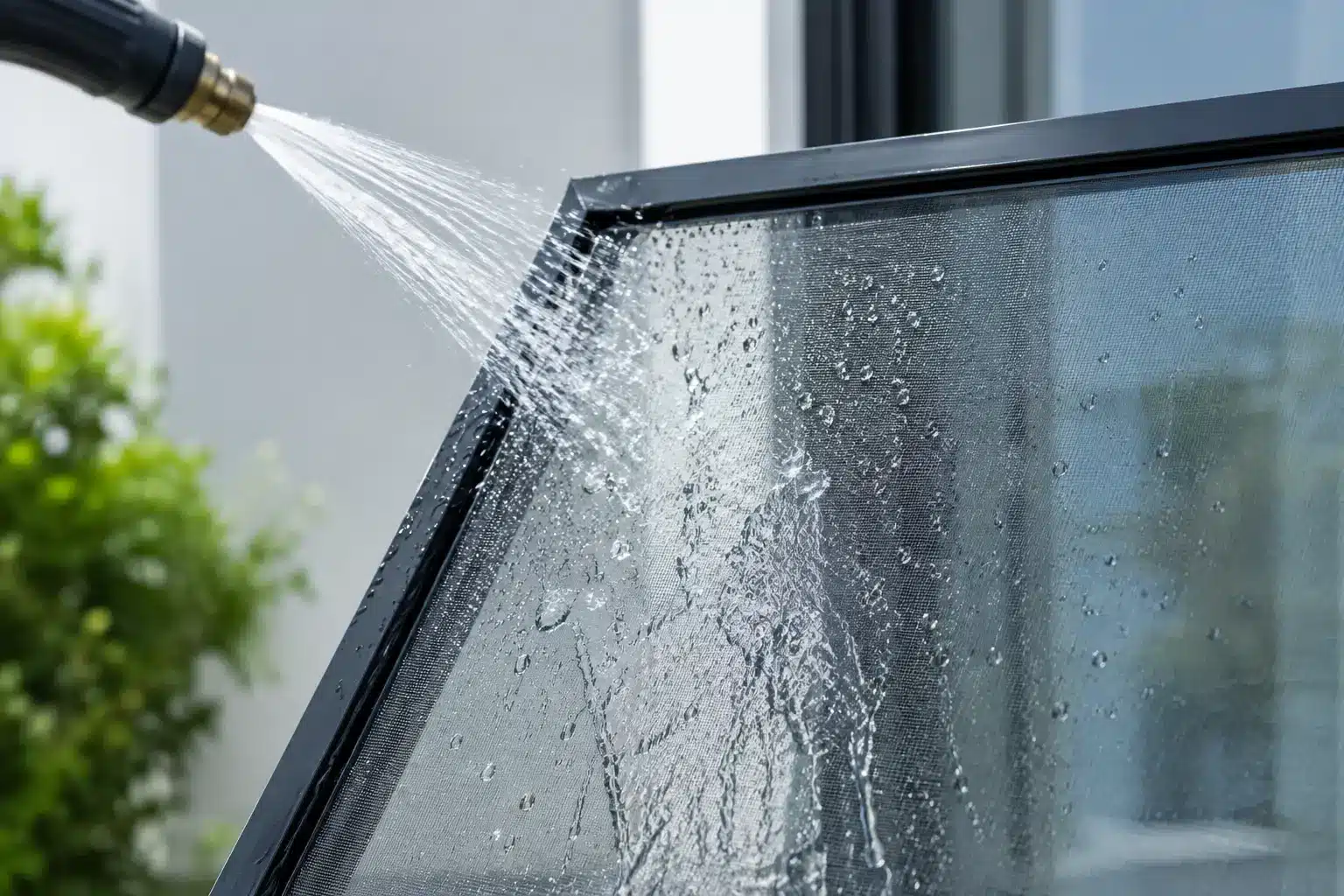
A cracked screen is usually obvious. What is less obvious is what happens to the seal around it once the repair is complete. So, are replacement screens waterproof? The honest answer is no repairer can promise that a phone will remain waterproof in the same way it was when it left the factory.
A properly fitted, high-quality replacement screen can be carefully sealed to help maintain your phone’s water resistance. But water resistance is not a guarantee, and it can be affected by the device’s age, previous damage, the quality of parts used and the condition of the frame. For most people in Portsmouth and Southsea, that means using the phone normally is fine, but treating it as though nothing has changed around water is not.
Are replacement screens waterproof in the same way?
Not usually. Most modern phones are described as water-resistant rather than waterproof. That distinction matters. A phone with an IP rating was tested in a controlled environment when it was new, with its original screen, adhesive, seals and housing in perfect condition.
Once a screen is removed, the original adhesive seal must be replaced. A skilled repair involves cleaning the frame thoroughly, fitting new adhesive or a replacement perimeter seal, and checking that the screen sits correctly all the way around. This gives the best practical protection possible after repair, but it does not recreate the manufacturer’s factory testing process.
Even an untouched phone can lose water resistance over time. Everyday knocks can slightly bend the frame, heat can affect adhesive, and wear around buttons, charging ports and SIM trays can create routes for moisture. If your screen broke after a hard impact, there may already be damage beyond the glass that is not visible at first glance.
Why a screen replacement affects water resistance
The screen is part of the phone’s outer barrier. On many iPhones, the display is held in place by precision-cut adhesive that helps keep out dust and splashes. During a screen replacement, that bond has to be broken to open the device.
A reputable technician does not simply fit the new display and send you away. The old adhesive needs to be removed without leaving debris on the frame, and fresh sealing material should be applied evenly. Poor preparation, a warped frame or a low-quality screen that does not sit flush can leave small gaps. You may never notice them until the phone meets rain, a wet kitchen worktop or a dropped drink.
Water can also enter through places unrelated to the screen. Worn charging-port seals, damaged speaker meshes, cracked rear glass and loose SIM trays can all reduce resistance. This is why a good repair starts with an assessment of the whole device rather than focusing only on the visible crack.
Water-resistant does not mean safe for water
The practical risk depends on how your phone is used. A few spots of rain while walking along the seafront are very different from using a repaired phone in the bath, taking it into the shower or dropping it into the sink.
Steam is particularly troublesome. It can enter openings more easily than liquid water and may condense inside the phone. Salt water is worse again, as it can leave corrosive residue on connectors and circuit boards. If you live near the coast, keep that in mind when using your phone at the beach or around wet outdoor gear.
After a screen repair, it is sensible to avoid deliberately exposing the device to water. Do not test the repair by running it under a tap, and do not rely on an old IP rating as permission to submerge it. The same caution applies to charging: never plug in a phone that may have moisture in its port.
The part quality and fitting process matter
Not all replacement screens are made to the same standard. Lower-cost copies can vary in thickness, frame fit, touch response, brightness and the way they meet the edge of the handset. A screen that looks acceptable from the front can still be a poor physical fit, making a reliable seal harder to achieve.
The condition of the phone itself matters just as much. If the metal housing is bent from a drop, or pieces of the original display frame are missing, adhesive cannot sit as intended. In some cases, replacing the screen is still the right and economical repair, but it is fair to explain that the device’s water resistance may be compromised.
This is one reason a repair should not be chosen on price alone. Fast service is useful when your phone is essential for work, study or family life, but speed should not mean skipping the careful cleaning, fitting and testing that protects the repair. At iHelp Gadget Repairs, the device is handled directly by Dan, so you can ask about the condition of your frame and the parts being fitted before the work begins.
How to protect a phone after a screen repair
You do not need to wrap your phone in cotton wool. You just need to treat water resistance as a useful layer of protection, not a feature to test.
Keep it away from showers, baths, swimming pools and the sea. Use a waterproof pouch if you need it near water, especially on holiday or during watersports. If rain is expected, a pocket or bag is safer than leaving it on a bike mount or exposed pram handle.
A good case can help reduce the chance of another impact, which is often the next event that damages the seal. It will not make the phone waterproof, but it can protect the corners and lessen the force transferred to the screen and frame.
If your phone gets wet, switch it off if possible, remove the case and gently dry the outside with a soft cloth. Keep the charging port facing down so excess liquid can drain. Leave it in a dry, ventilated place and do not use direct heat, compressed air or rice. Heat can damage components and rice does not remove moisture from inside the handset.
What to do if moisture gets into the phone
Signs of internal moisture include a misty front camera, a screen that flickers, distorted speakers, unreliable charging or a warning message about liquid in the connector. These problems may appear immediately, but corrosion can also develop over the following days.
Do not keep charging or repeatedly restarting the device to see whether it improves. Electricity and moisture are a bad combination for delicate circuitry. Getting the phone assessed promptly gives it the best chance of avoiding more extensive damage.
It is also worth knowing that water damage is unpredictable. A phone may appear completely normal after getting wet, then develop faults later as corrosion reaches connectors or components. The sooner it is inspected and dried professionally, the better.
When a repairer should be clear about the limits
A trustworthy repairer should never claim that a replacement screen makes a phone factory-waterproof. The right wording is that the screen can be resealed with suitable adhesive and fitted carefully, while the original water-resistance rating cannot be guaranteed after the device has been opened.
That is not a sign of poor workmanship. It is an honest reflection of how manufacturer ratings work and of the hidden effects of drops, age and previous repairs. Ask whether fresh screen adhesive is used, whether the frame is inspected for damage and whether the replacement part is a good fit for your model. Clear answers are far more useful than a vague promise that it will be “just like new”.
A replacement screen can restore the use, appearance and protection of your phone very effectively. Just give it the same sensible care you would give any valuable electronic device: keep it away from unnecessary water, deal with moisture quickly, and choose a repairer who is upfront about what can and cannot be guaranteed.