
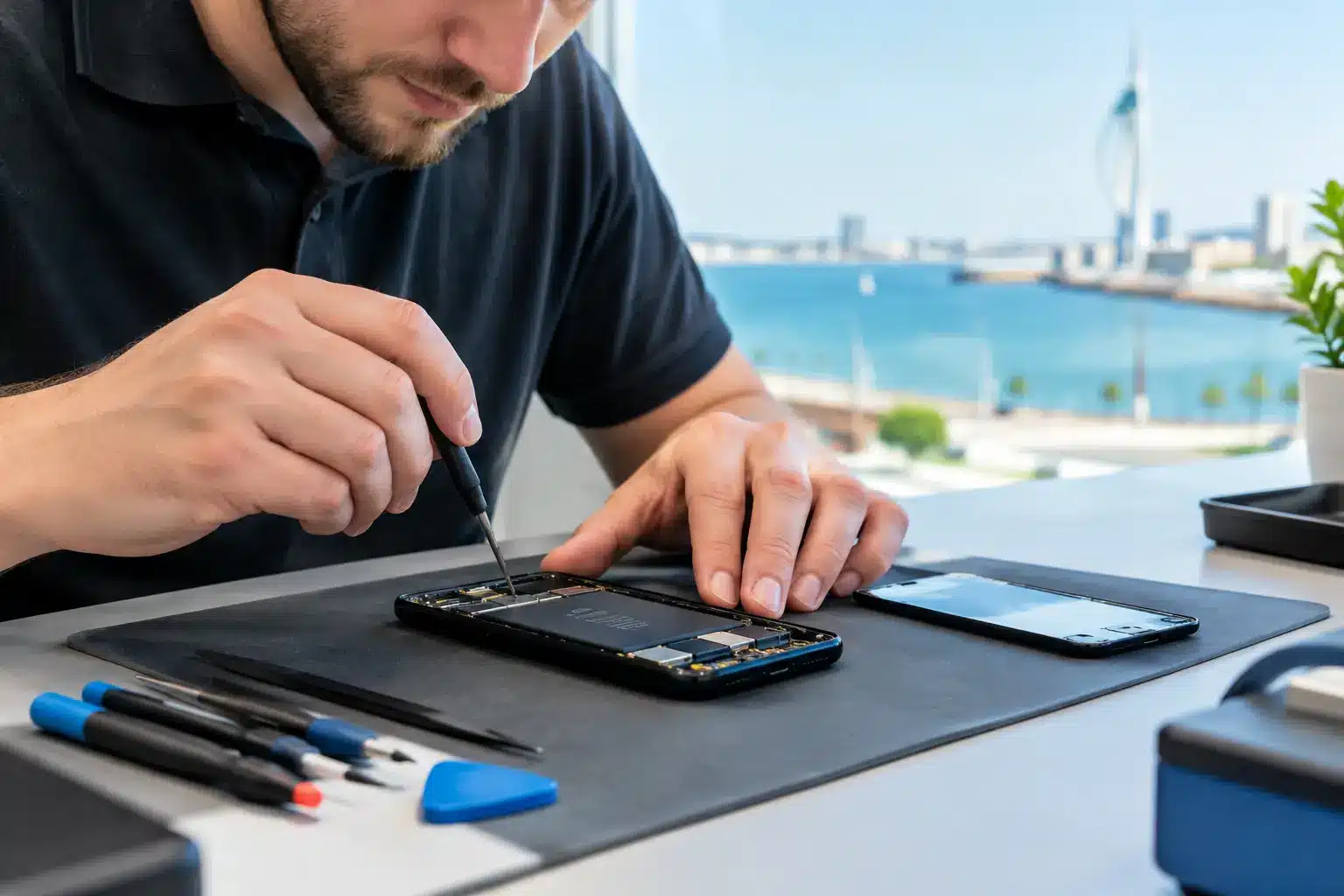
A cracked screen is rarely just a cracked screen. It can make replying to work messages difficult, leave sharp edges around the display, affect the touch response and turn a phone you rely on every day into a source of stress. Good phone repairs should get you back up and running quickly, but speed only matters when the work is carried out properly and backed by someone accountable for it.
For people in Southsea and Portsmouth, the most useful repair service is usually nearby, clear about the cost and able to assess the actual fault before promising a fix. Whether your phone has met the pavement, stopped charging or has started losing battery faster than it should, the right diagnosis makes all the difference.
What to expect from reliable phone repairs
A repair should begin with a straightforward conversation about what has happened, what the device is doing now and what outcome you need. A screen that looks damaged may also have a bent frame or affected front camera. A charging problem might be a worn cable, compacted pocket fluff in the port, a failed battery or a fault on the charging circuit. Replacing parts without checking the cause can waste both time and money.
That is why diagnostics matter. A proper assessment helps establish whether a repair is sensible, what parts are required and whether there are any risks to be aware of before work starts. You should receive clear pricing rather than a vague starting figure that grows once the device is on the bench.
At an independent local repairer, you should also know who is working on your device. iHelp Gadget Repairs is owner-led, so customers deal directly with Dan from the initial enquiry through to collection. That direct responsibility is particularly valuable when your phone holds work access, family photos, banking apps and the details of day-to-day life.
The phone faults that should not be ignored
Some damage is obvious. Others begin as a small inconvenience and gradually become a bigger problem. Acting early can sometimes prevent a more involved repair.
Cracked or unresponsive screens
A visible crack can weaken the whole display and allow dust or moisture closer to sensitive components. If parts of the touchscreen stop responding, the display flashes, black patches spread or coloured lines appear, the screen assembly will normally need replacing.
For many iPhone models, a screen repair can be completed in under 30 minutes, provided the required part is available and there is no additional damage. That makes a meaningful difference when you cannot be without your handset for days. High-quality or genuine parts, where appropriate, help preserve display clarity, touch response and everyday reliability.
It is worth asking about the warranty before agreeing to a screen replacement. A strong warranty shows that the repairer is prepared to stand behind the workmanship and parts used. iPhone screen repairs at iHelp are covered by a lifetime screen warranty, while repairs are supported by a 12-month warranty under the relevant terms.
Charging faults
Before assuming your charging port has failed, try a known-good cable and plug. If the connection still feels loose, charges only at a certain angle or repeatedly connects and disconnects, do not force the cable into place. The port may simply need careful cleaning, but it could also require repair or replacement.
A good technician will check the port, cable connection and charging behaviour rather than immediately fitting a new part. This is one of the clearest examples of why honest diagnostics save customers money.
Battery problems
A battery that drains quickly, shuts down unexpectedly or makes the phone noticeably warm needs attention. Battery ageing is normal, especially on a device used heavily for work, navigation, video calls and streaming. However, sudden changes in performance can also point to software activity, a charging issue or previous physical damage.
Battery replacement is often a practical way to extend the working life of an otherwise dependable phone. It is not always the right answer, though. If a handset has several major faults or is no longer receiving important software updates, it may be worth comparing the repair cost with replacement. A trustworthy repairer should be comfortable explaining that trade-off.
Cameras, speakers and buttons
Blurry images, muffled calls, failed Face ID, quiet speakers and sticky buttons can all be frustrating, particularly when they affect work or family communication. These faults can result from drops, moisture, dirt or normal wear. They may be repairable, but features such as biometric security need careful handling and model-specific knowledge.
Be wary of anyone who guarantees a result before inspecting the device. Certain faults depend on the condition of the original components and the extent of the damage underneath.
Why local repairs can be the better option
Sending a phone away can seem convenient until you are without it for a week, have to package it securely and cannot speak to the person carrying out the repair. For students managing deadlines, NHS staff working shifts, armed forces personnel and busy parents, that delay is often the real problem.
A local repair service gives you the chance to explain the fault face to face, ask questions and collect your device promptly. It also means there is a clear point of contact if you need advice after the repair. This is not just about convenience. It is about accountability.
Independent repair does not automatically mean cheaper at every price point, nor should it. The lowest quote may use poorer-quality parts, omit a meaningful warranty or fail to identify a fault beyond the obvious damage. The value of a repair comes from the quality of the part, the standard of fitting, honest advice and the support available afterwards.
How to prepare your phone for repair
Back up your phone if you can. Most hardware repairs do not require access to your personal content, but backups are sensible whenever a device is damaged or showing signs of failure. Use your usual cloud backup or save essential files elsewhere before handing the handset over.
If possible, make a note of the passcode or be ready to enter it during testing. Technicians may need to test the touchscreen, cameras, speakers, charging and other functions after the work is complete. You should never feel pressured to share passwords for unrelated accounts.
Remove cases, SIM cards or accessories only if asked to do so. It is also helpful to mention any previous repairs, water exposure or intermittent issues, even if they do not seem connected. Small details often shorten the diagnostic process.
Questions worth asking before you agree
The best repair decisions are made before the phone is opened. Ask what is included in the quoted price, what type of part will be used and how long the repair is likely to take. Check the warranty period and what it covers, as accidental damage after collection is different from a part or workmanship fault.
You should also ask whether the repair may affect water resistance. Once a phone has been opened, its original factory seal cannot be assumed to perform exactly as it did when new, even when fitted carefully with replacement seals. This is especially relevant after screen, battery or charging-port work.
Finally, ask what happens if the diagnosis changes. Some faults only become clear once a device is inspected internally. The right approach is to contact you with the options and cost before carrying out additional work, not to present an unexpected bill at collection.
Repairing rather than replacing
A repair is often the sensible choice when the device still meets your needs and the fault is isolated. Replacing a broken screen, battery or charging port can save the cost and disruption of moving to a new phone, transferring data and learning a different device. It can also keep a perfectly capable handset in use for longer.
There are limits. Severe liquid damage, repeated board-level faults or a phone that is no longer secure to use may make replacement the better long-term decision. Honest advice should not push a repair that offers poor value. It should give you enough information to choose confidently.
Your phone does a lot of quiet work in the background of your life. When it fails, choose phone repairs that treat the device, your time and your trust with the same care – then you can get back to using it rather than worrying about it.